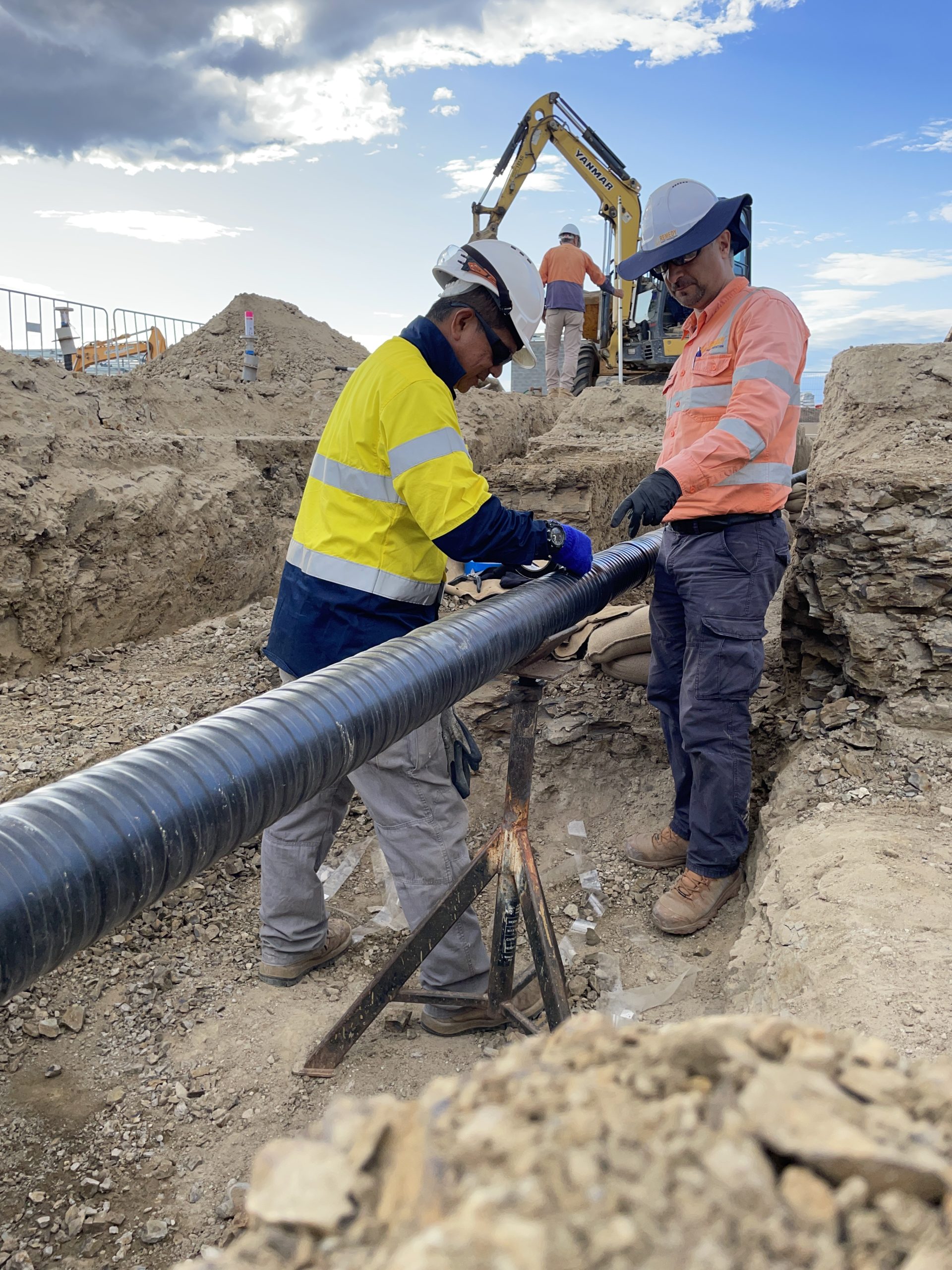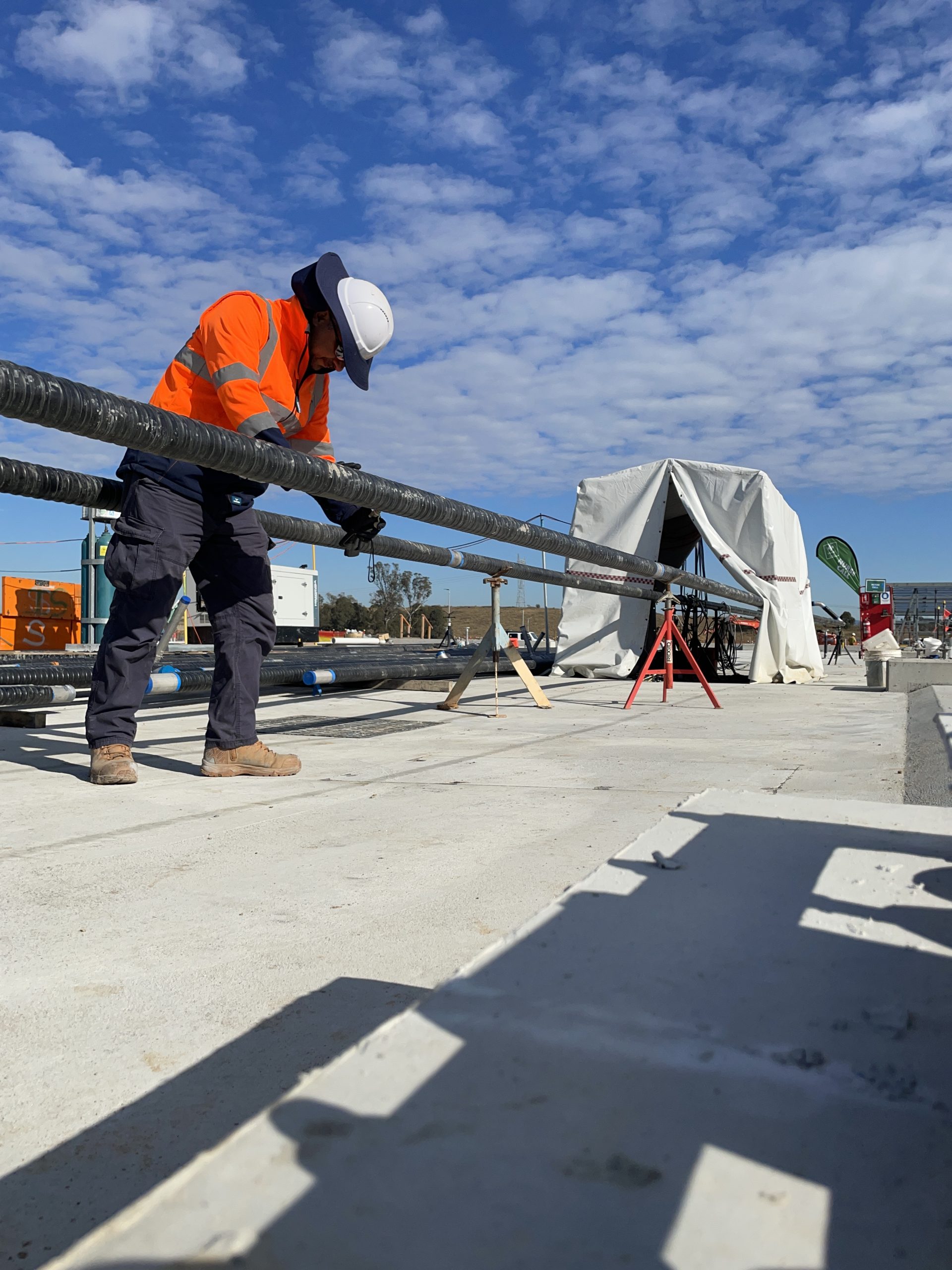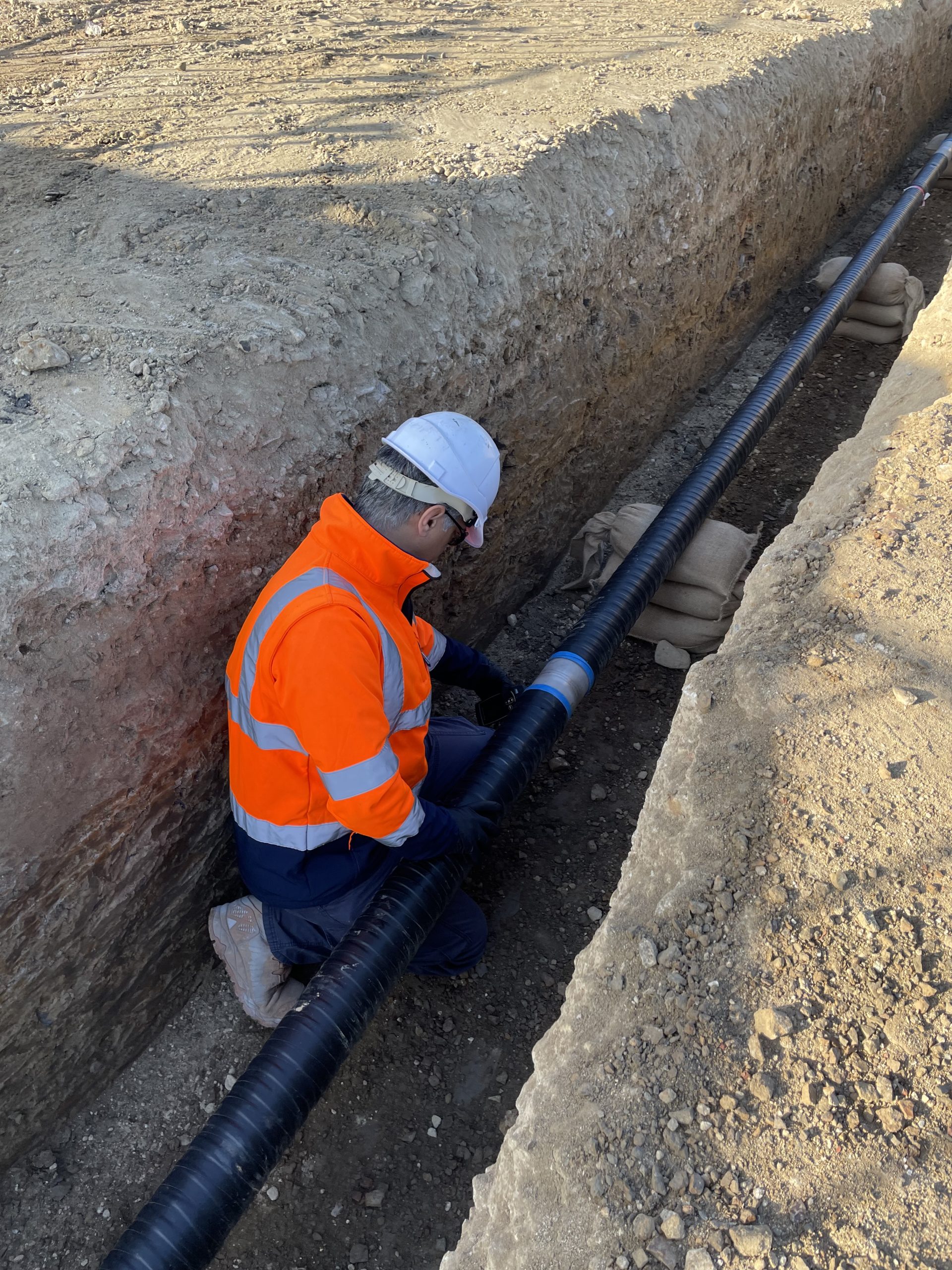

Major infrastructure projects demand the highest standards of safety and reliability. The new Western Sydney Airport is a landmark project for Australian aviation. It represents a significant investment in the nation’s future. RemedyAP was proud to partner with Saunders International on this project. We provided a critical pipeline inspection for essential infrastructure at this key Sydney location.
Our role was to ensure the long-term integrity of vital pipeline systems. This work is fundamental to the airport’s operational efficiency and safety. We focused on delivering a comprehensive assessment. Our team provided strategic insights with minimal disruption to the ongoing airport development. This case study highlights our expertise in protecting high-value assets.
The Critical Need for a Pipeline Condition Assessment in Australia
Protecting buried infrastructure is a major challenge for asset owners. A pipeline may seem secure once it is in the ground. However, it faces constant threats from corrosion and environmental stress. A thorough pipeline condition assessment is vital for any major infrastructure in Australia. This process goes far beyond a simple visual check. It is a deep diagnostic evaluation.
This assessment provides asset managers with precise data. This data allows for smarter, proactive maintenance decisions. It helps prevent catastrophic failures. It also extends the asset’s operational life. For a project like the Western Sydney Airport, understanding the exact condition of its pipelines is not just best practice; it is essential for risk management and long-term viability.
Our Approach: A Focus on Pipeline Coating Inspection
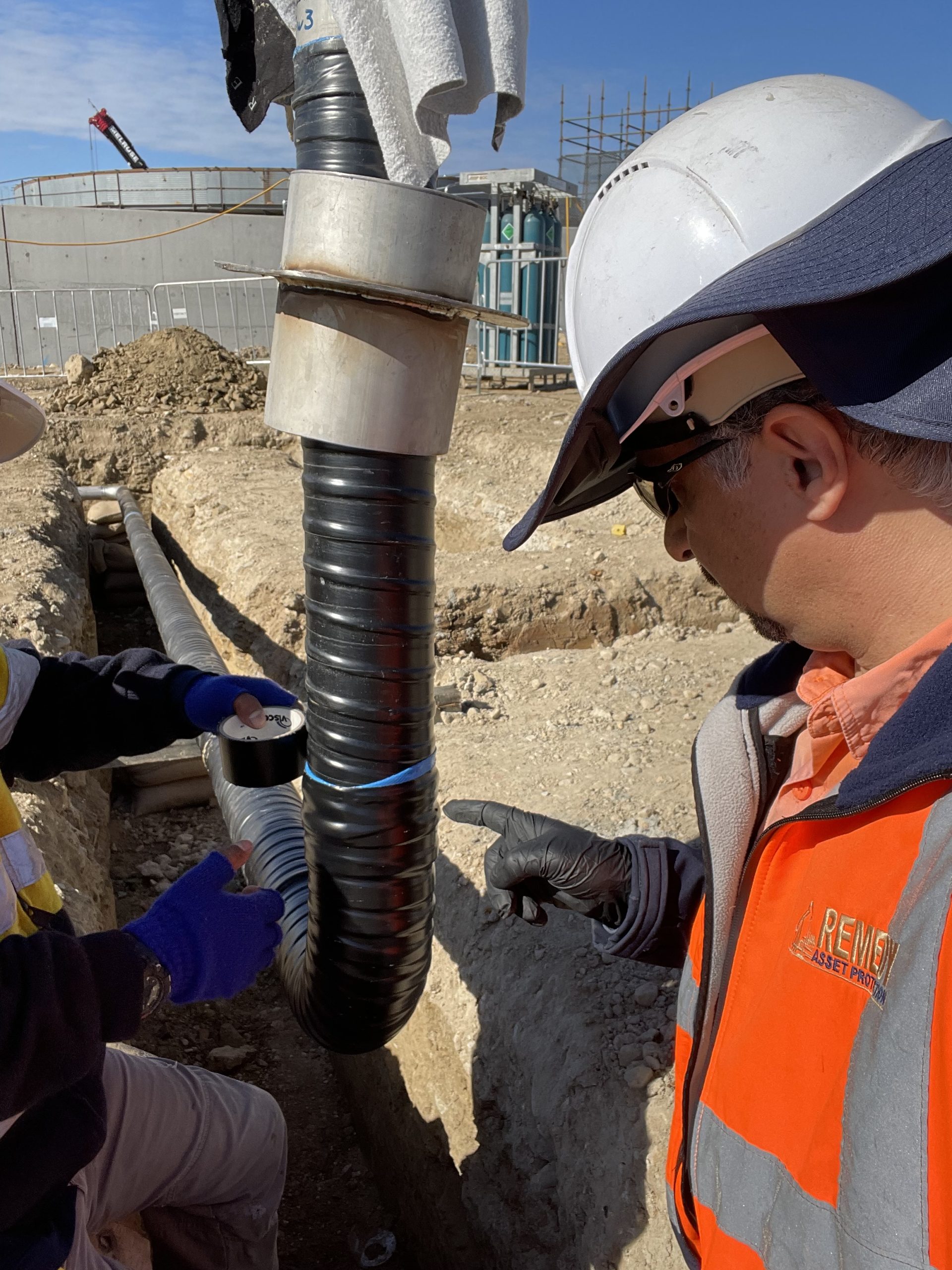
Our work on this project centred on a specialised pipeline coating inspection. A pipeline’s protective coating is its primary defence against the environment. The integrity of this coating is paramount for effective corrosion prevention. If the coating fails, the steel beneath is exposed. This can lead to rapid deterioration and potential leaks.
Advanced Non-Destructive Testing Methods
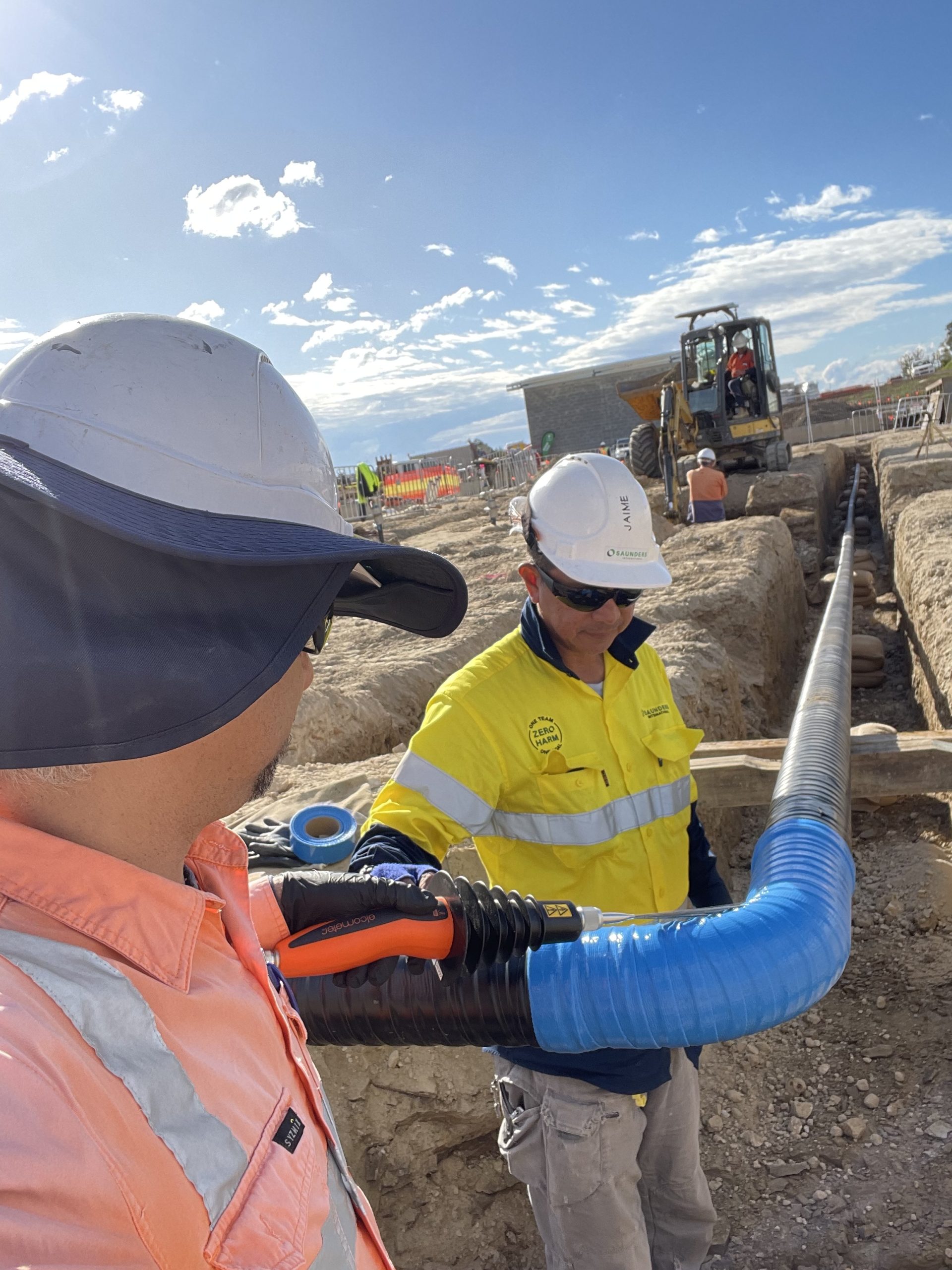
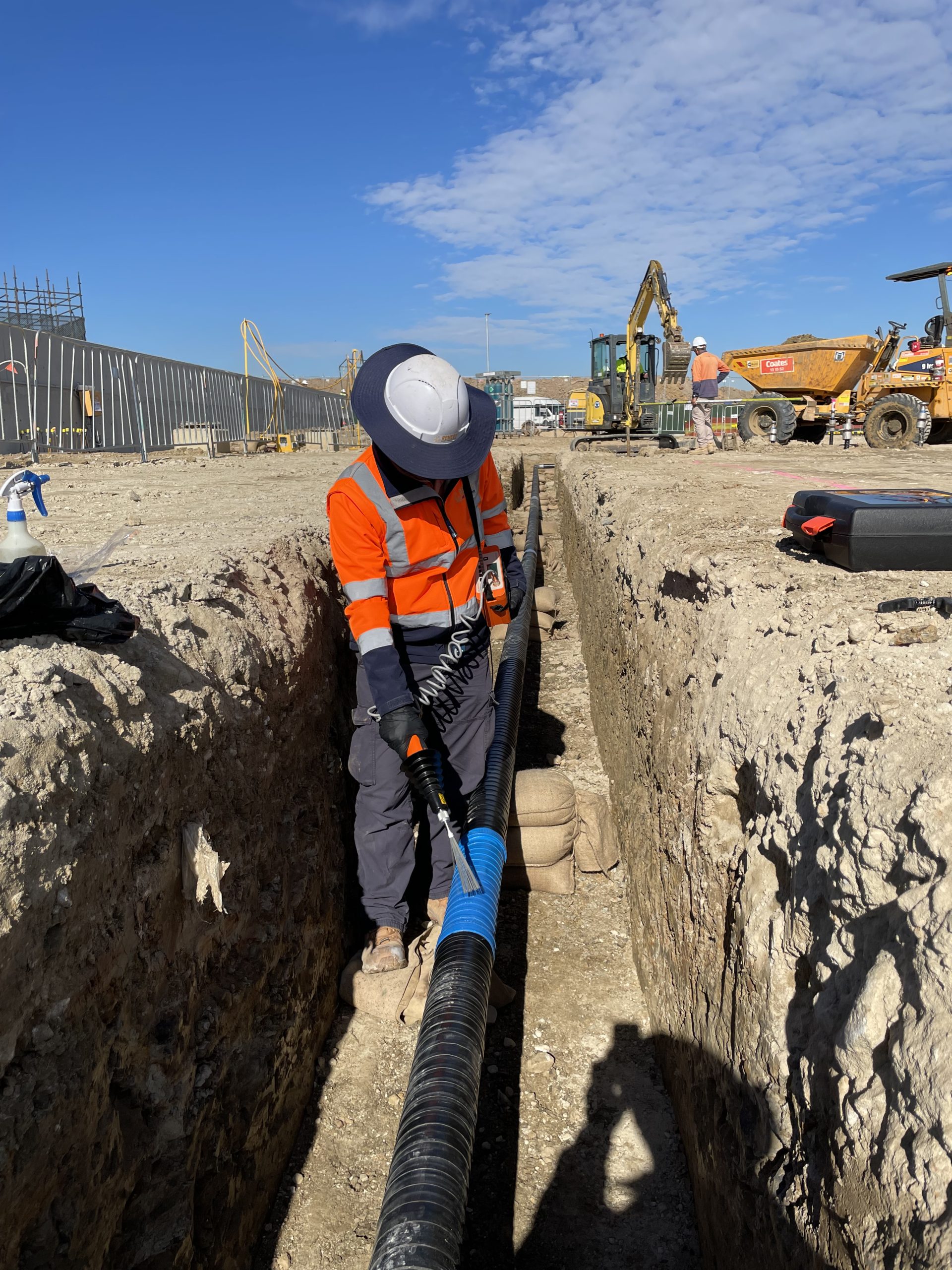
We use advanced diagnostic tools to evaluate coating integrity without damaging the asset. This approach is known as non-destructive testing (NDT). NDT methods allow us to identify tiny flaws that are invisible to the naked eye. These flaws can include pinholes, cracks, or areas where the coating has lost adhesion.
One key technique in pipeline coating inspection is Holiday testing, also known as spark testing. This method uses a high-voltage electrical current to scan the coating surface. The device creates a spark when it finds a “holiday” or discontinuity. This allows our NACE-certified inspectors to pinpoint the exact location of even microscopic defects. Identifying these issues early is a crucial step in proactive corrosion prevention.
Aligning with Australian Standards: The Role of AS/NZS 2885
Operating in Australia’s high-pressure pipeline sector requires strict adherence to national standards. The foundational standard is AS/NZS 2885, Pipelines—Gas and liquid petroleum. This standard is recognised by regulators as the benchmark for pipeline safety, design, and maintenance across the country.
Adherence to AS/NZS 2885 is non-negotiable. It demonstrates a commitment to the highest levels of safety and engineering excellence. Our pipeline inspection methodology was developed in line with the principles of this standard. This ensures our findings are not only accurate but also fully compliant with Australia’s regulatory framework. It gives asset owners confidence that their infrastructure is being managed to the highest possible standard. For more information on this standard, you can visit the Australian Pipelines and Gas Association (APGA).
Delivering Comprehensive Pipeline Integrity Services in Australia
A single inspection is one part of a much larger strategy. We provide comprehensive pipeline integrity services across Australia to support the entire asset lifecycle. The data from our assessments feeds directly into the asset owner’s
Pipeline Integrity Management Plan (PIMP). A PIMP is a formal system required by
AS/NZS 2885 to manage all maintenance and monitoring activities.
An Integrated Approach to Corrosion Prevention
A robust integrity strategy combines multiple layers of protection. Protective coatings work in tandem with systems like Cathodic Protection (CP). CP systems use a low-level electrical current to prevent corrosion on buried steel pipelines.
The health of the pipeline’s coating directly impacts the effectiveness of the CP system. Any defect or holiday in the coating forces the CP system to work harder to protect the exposed steel. By assessing the coating, we provide a holistic view of the entire corrosion prevention framework. This allows asset managers to optimise both systems for maximum protection and efficiency.