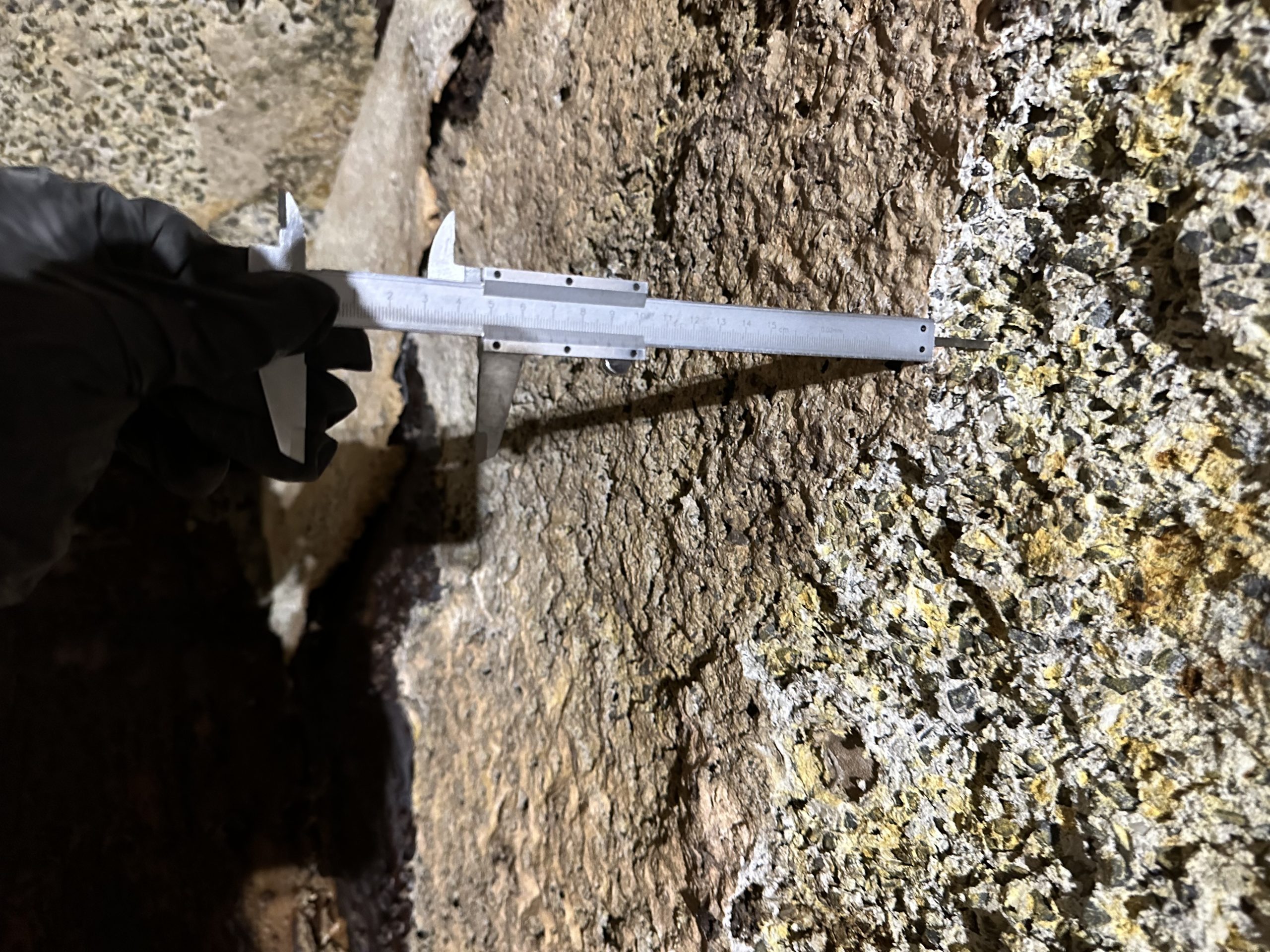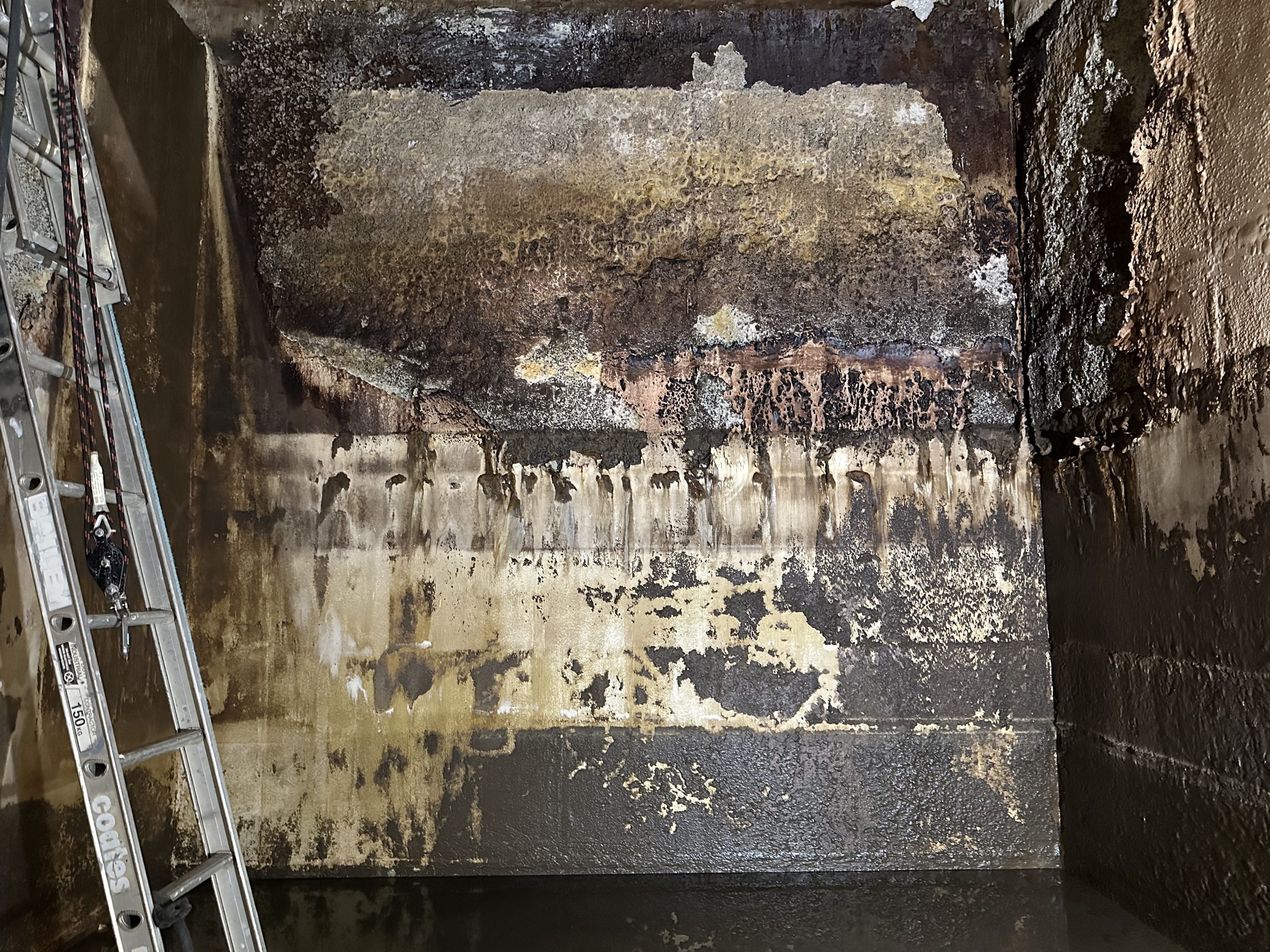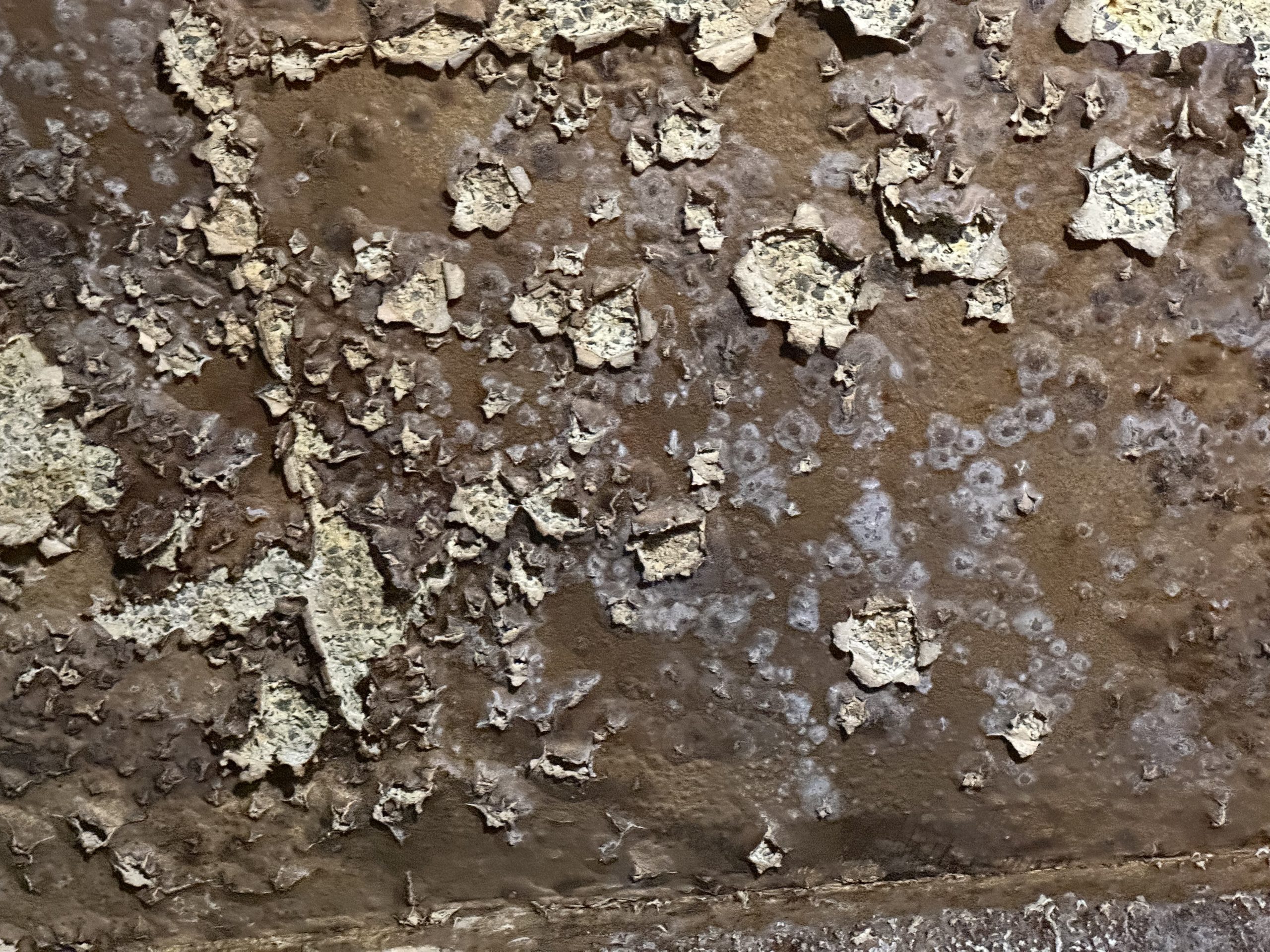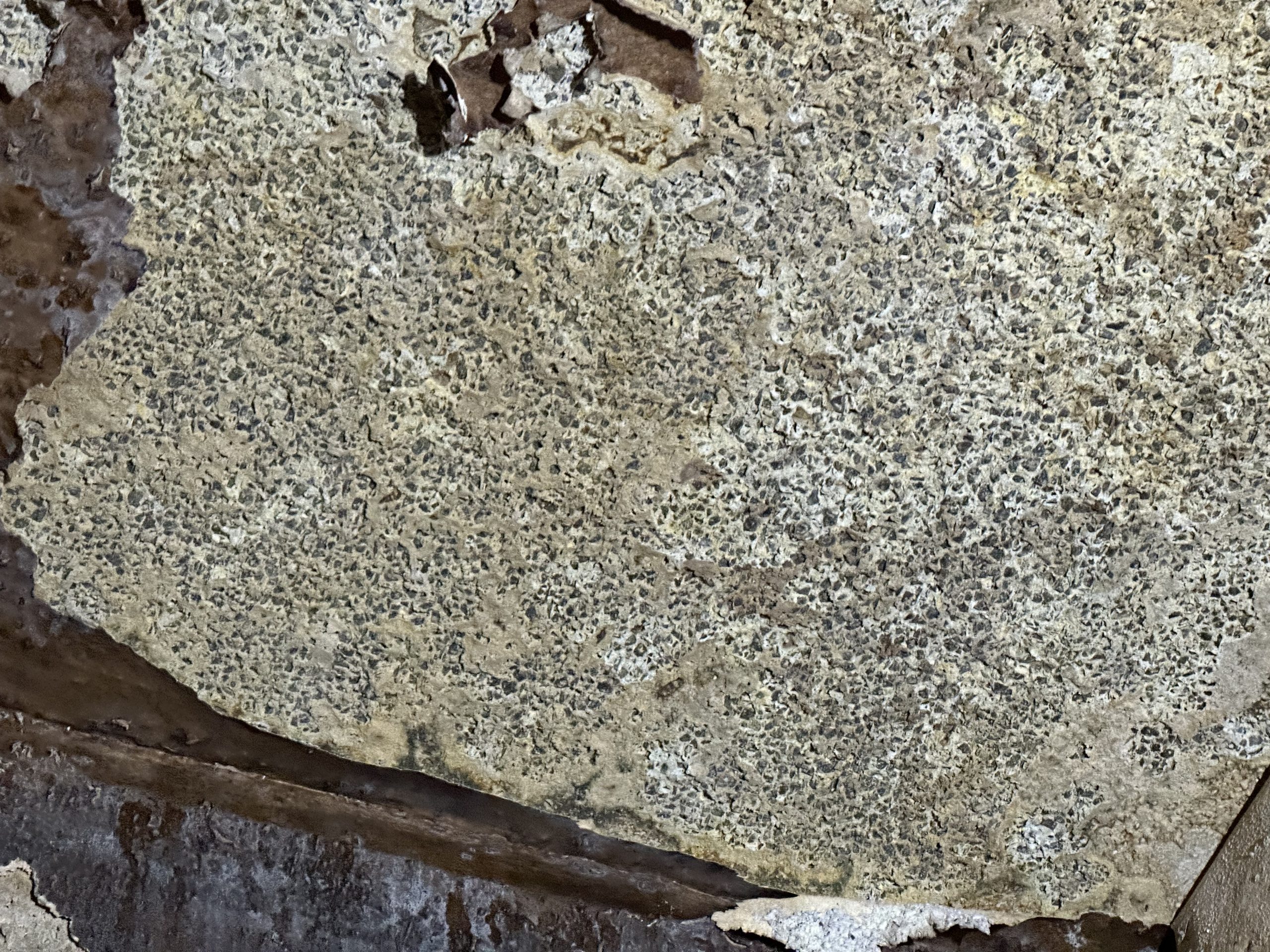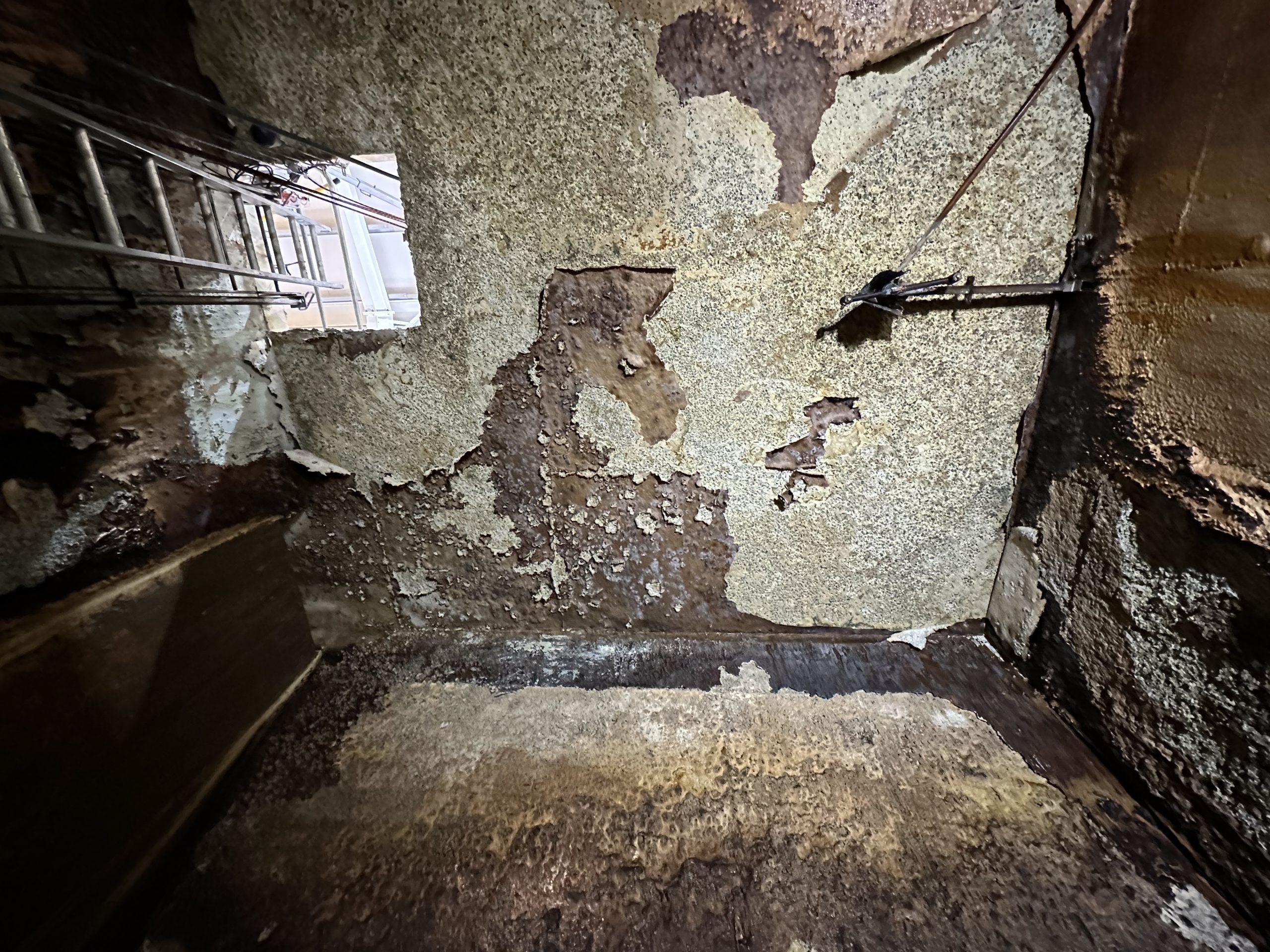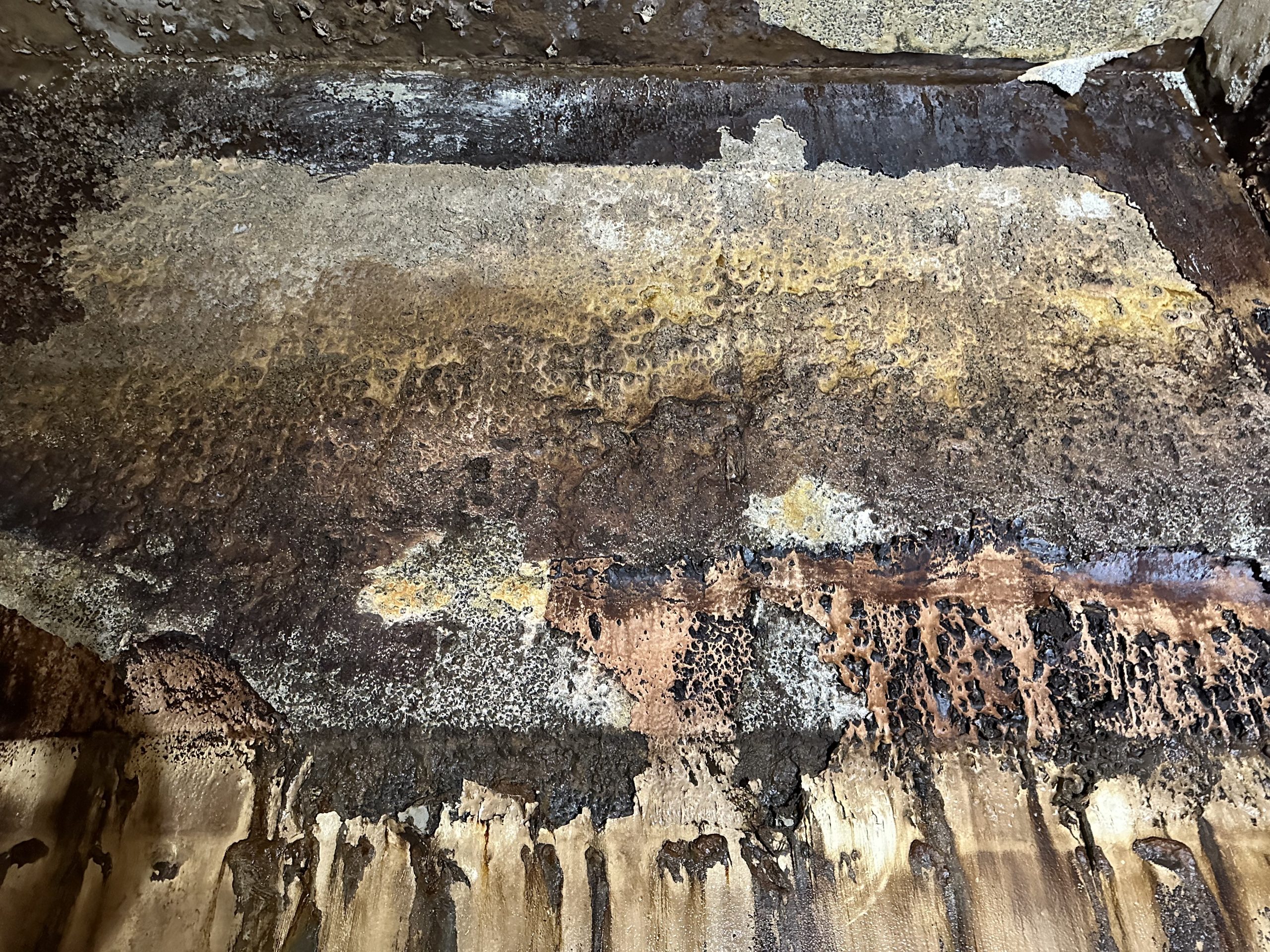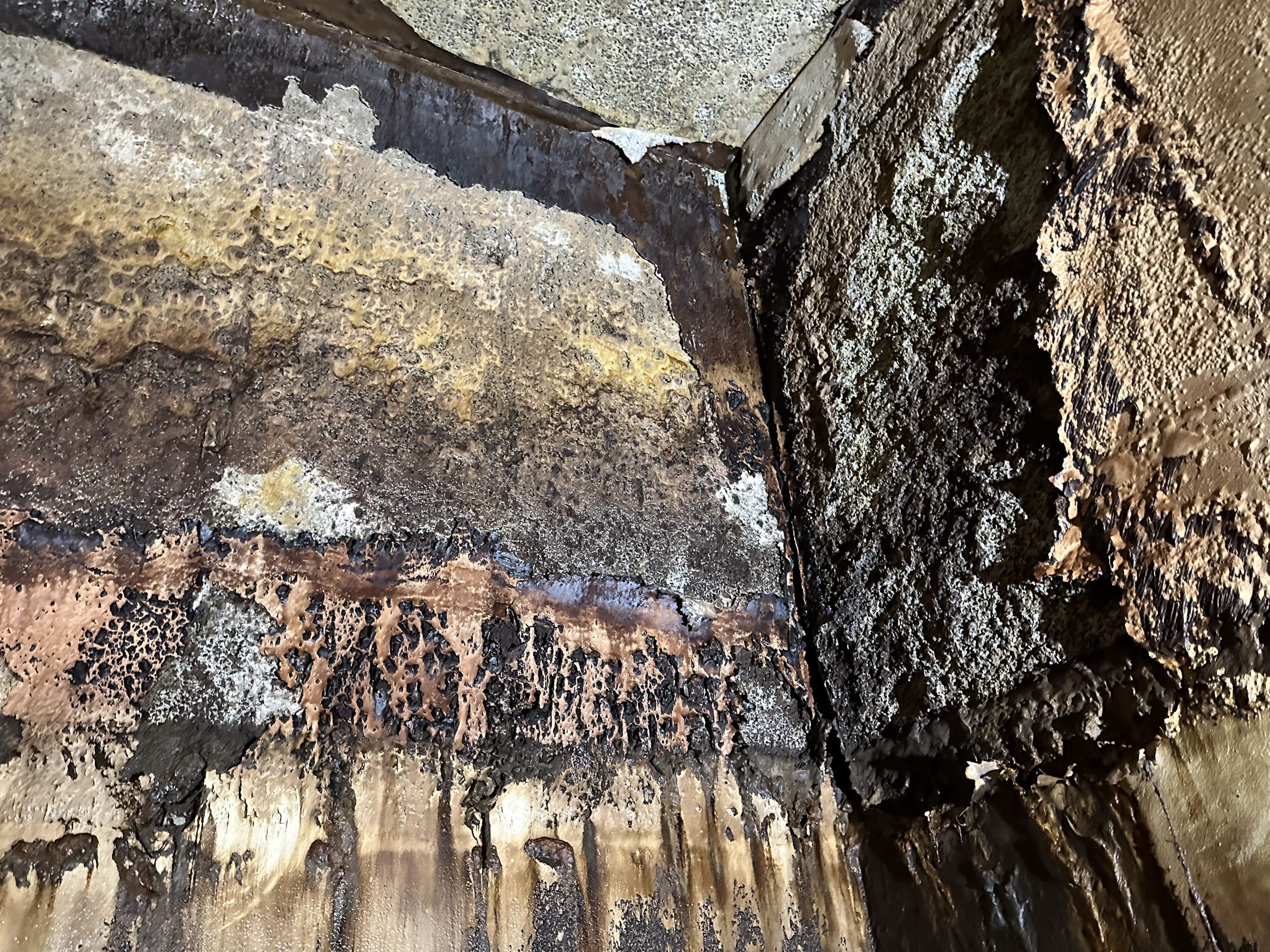

Water infrastructure is the lifeblood of our communities. These assets must be maintained to the highest standards. RemedyAP was commissioned by TasWater to perform a comprehensive concrete assessment on a critical asset. The project focused on a 14-year-old reinforced concrete tank at the Cradle Valley Sewage Treatment Plant (STP) in Tasmania. This tank is a vital part of the region’s wastewater management system.
Our expert team evaluated the tank’s structural integrity and performance. We used advanced inspection techniques to identify risks and provide actionable recommendations. The assessment was completed with minimal disruption to the plant’s operations. This case study highlights our expertise in preserving essential infrastructure and ensuring long-term operational safety.
The Unique Challenge of Wastewater Treatment Plant Concrete Durability
Concrete in a wastewater treatment plant faces an exceptionally harsh environment. The wastewater treatment plant concrete durability is constantly challenged by aggressive chemical and biological factors. Standard concrete can degrade quickly in these conditions. This makes a specialised concrete assessment essential for asset owners like TasWater.
The primary threat is microbiologically induced corrosion (MIC). This process begins when bacteria in the sewage produce hydrogen sulfide gas (H2S). This gas accumulates in the air above the waterline. Other bacteria on the concrete surface then convert this gas into sulfuric acid (H2SO4). The acid attacks the cement in the concrete. This attack weakens the structure and exposes the steel reinforcement within, leading to rapid deterioration.
Identifying the Symptoms: Concrete Spalling and Corrosion
One of the most common signs of concrete distress in Australia is “concrete cancer”. This term describes the damage caused when internal steel reinforcement begins to rust. As the steel corrodes, it expands. This expansion places immense pressure on the surrounding concrete, causing it to crack and break away. This visible flaking and chipping is known as concrete spalling.
Key visual signs of concrete cancer include:
- Cracking or crumbling concrete.
- Rust stains appearing on the concrete surface.
- Bubbling or blistering render.
- Leaks appearing on overhead surfaces.
Identifying these symptoms early is crucial. A proactive approach to concrete cancer repair in Tasmania can prevent minor issues from becoming major structural failures. Our assessment at Cradle Valley was designed to detect these exact warning signs before they compromised the tank’s integrity.
Our Diagnostic Approach: A Structural Assessment of Concrete Tanks
A thorough evaluation requires more than just a visual check. We conducted a full structural assessment of concrete tanks to understand the asset’s true condition. This involved using a suite of advanced, non-destructive testing (NDT) methods. NDT allows us to gather detailed data on the concrete’s health without causing any damage.
Advanced Non-Destructive Testing (NDT) Methods
Our team uses specialised equipment to look beneath the surface. This provides a clear picture of the tank’s structural health.
- Cover Meter Survey: This technique uses electromagnetic fields to locate the steel reinforcement bars within the concrete. It accurately measures the depth of the concrete cover protecting the steel, which is a critical factor for durability.
- Ultrasonic Pulse Velocity (UPV): UPV testing sends sound waves through the concrete to assess its quality and uniformity. It can detect internal defects like voids or cracks that are not visible on the surface.
- Half-cell potential testing: This is a key method for detecting corrosion activity in the steel reinforcement before it becomes visible. It measures the electrical potential between the steel and the concrete surface. The results create a “corrosion map,” highlighting areas where corrosion is likely occurring.
These advanced techniques provide the precise data needed for effective asset management.
Specialised Access, Sampling, and Laboratory Analysis
While our advanced NDT methods provide an excellent overview of the asset’s condition without causing damage, a complete structural assessment sometimes requires targeted physical sampling. Our team is fully equipped and certified to perform these specialised tasks, offering a truly end-to-end diagnostic service.
Confined Space Operations and Core Drilling
Many concrete tanks are classified as confined spaces, requiring strict procedures to ensure safety. Our capabilities in this area include:
- Certified Confined Space Entry: Our technicians are fully trained and certified to operate under rigorous confined space procedures. All entries are conducted following comprehensive risk assessments, established safety protocols, and with dedicated rescue plans in place, ensuring the safety of all personnel.
- Self-Performed Concrete Coring: We self-perform targeted core drilling to retrieve physical samples for laboratory analysis. The locations for coring are strategically selected, often informed by the initial NDT results (e.g., areas of high corrosion potential or low-density readings from UPV). This targeted approach minimises the impact on the structure while maximising the value of the data collected.
Advanced Destructive Testing and Laboratory Analysis
The retrieved core samples are sent for accredited laboratory testing to determine their precise physical and chemical properties. This provides definitive data that complements the NDT findings. Our standard suite of testing includes:
- Compressive Strength Testing: Core samples are tested to determine the in-situ compressive strength of the concrete. This is a direct measure of the concrete’s load-bearing capacity and is a critical input for any structural analysis or modelling.
- Chloride Ion Profiling: We analyse concrete dust drilled at incremental depths from the surface of the core. This test determines the concentration of chloride ions at various depths, which is the primary driver of steel reinforcement corrosion. The resulting profile is crucial for assessing the remaining service life of the structure and the effectiveness of the existing concrete cover.
- Cement Content and Mix Analysis: This analysis determines the original cement content of the concrete mix. It helps verify compliance with original design specifications and provides insight into the overall quality and potential durability of the material.
- Petrographic Analysis: A detailed microscopic examination of the concrete core by a specialist petrographer. This can identify a range of potential issues, including alkali-silica reactivity (ASR), sulphate attack, carbonation depth, voids, cracking, and the overall quality of the aggregate and cement paste.
Core Hole Reinstatement
A critical part of our service is ensuring the integrity of the structure is maintained after testing. We self-perform the professional repair of all core holes using high-performance, shrinkage-compensated repair mortars. These specialist materials ensure a high-bond strength with the parent concrete and restore the durability and water-tightness of the structure, leaving it in a safe and secure condition.
By combining advanced NDT with targeted, self-performed destructive testing and professional reinstatement, we provide a comprehensive, holistic understanding of the asset’s condition, forming a robust foundation for effective asset management and remediation planning.
The Framework for Success: WSAA Asset Management and Industry Standards
Major water utilities like TasWater operate within a highly regulated framework. Their approach to infrastructure is guided by the principles of WSAA asset management. The Water Services Association of Australia (WSAA) is the peak body for the urban water industry, promoting best practices in asset lifecycle management. A professional concrete assessment provides the critical data needed to support these strategic goals.
Our work also aligns with the guidance of leading industry bodies. The Concrete Institute of Australia provides expert recommendations on achieving long-term durability in concrete structures. By following these best practices, we ensure our assessments and recommendations meet the highest standards of engineering excellence in Australia. This approach helps asset owners like TasWater make informed decisions, manage risks, and optimise long-term spending.